This page is for homeowners searching for Slab Leak Detection Johns Creek GA, underground water leak Johns Creek, high water bill Johns Creek, and focused leak detection before repair work begins.
Focused Slab Leak Detection Johns Creek GA Help
When a homeowner already suspects a hidden pipe leak below a concrete floor or finished slab area, the next decision matters. Replacing a full line, cutting flooring, or digging across a yard without locating evidence can turn a manageable leak into a larger project. Around Medlock Bridge Road, State Bridge Road, Jones Bridge Road, Old Alabama Road, Abbotts Bridge Road, McGinnis Ferry Road, Ocee, homes can have long service paths, finished floors, irrigation lines, and landscaping that hide water movement.
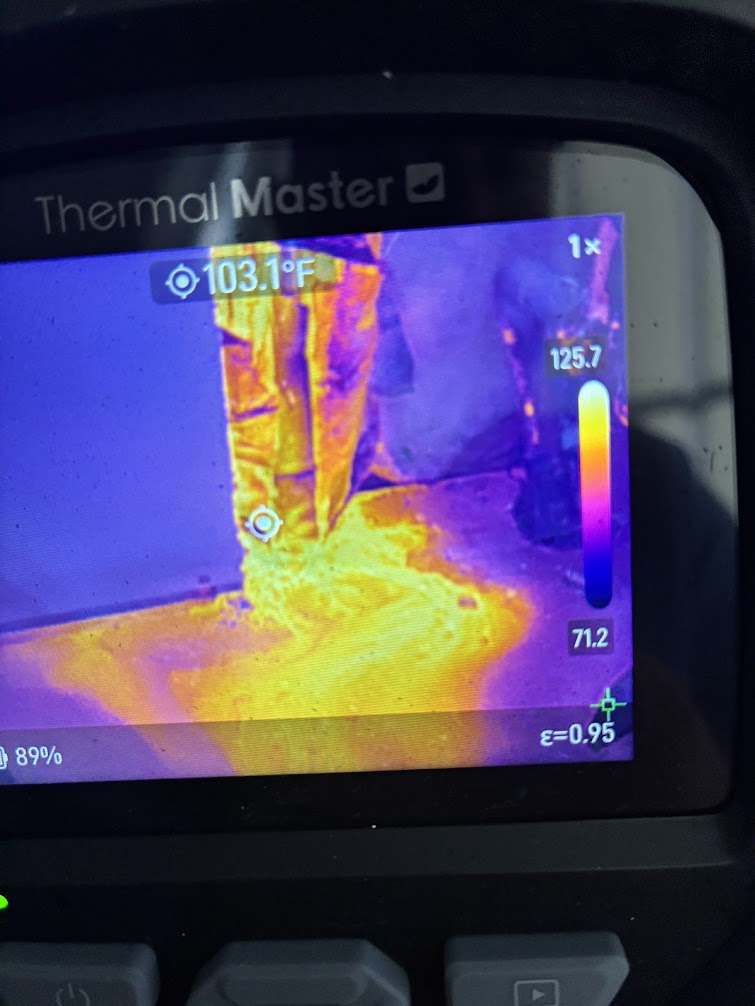
North Georgia Leak Detection uses acoustic listening, thermal imaging support, moisture pattern review, and electronic locating to narrow down the likely source. The goal is to give you clear repair direction before a plumber starts digging, trenching, or opening concrete.
Symptoms Homeowners Notice
Common signs include a meter that keeps moving, a high water bill, damp flooring, warm floor areas, reduced pressure, wet soil, or a leak sound that continues when fixtures are off. These signs do not always reveal the exact leak location.
Why Locate Before Repair
A plumber repairs the pipe. A leak detection specialist helps identify where the plumber should begin. That distinction can prevent unnecessary digging, protect landscaping, reduce slab damage, and make the repair conversation more specific.
Tools Used on This Type of Leak
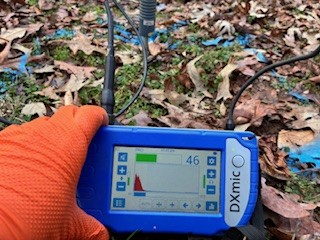
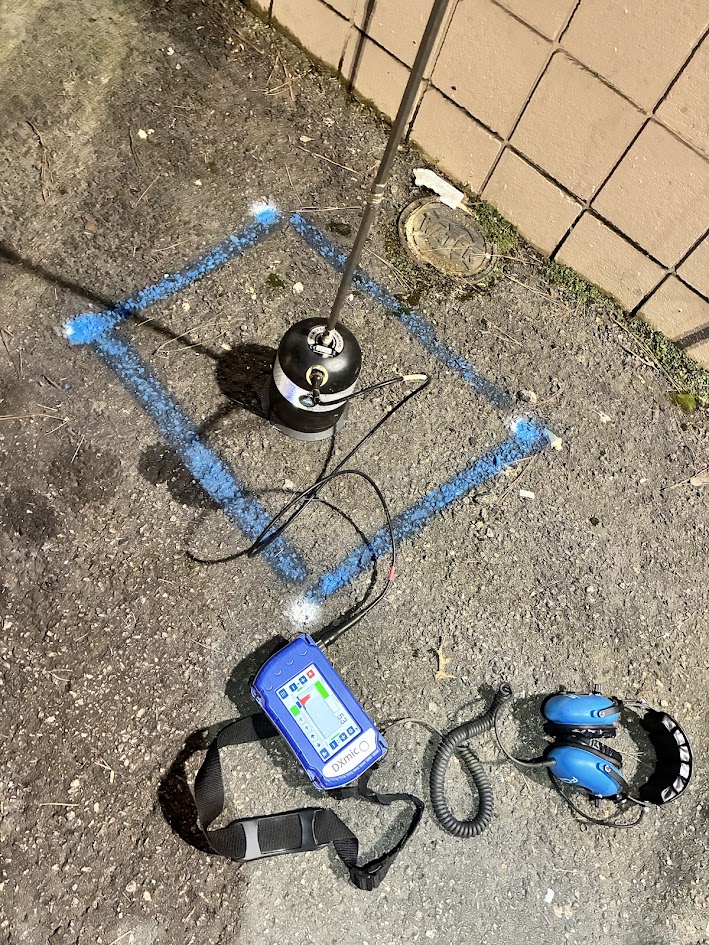
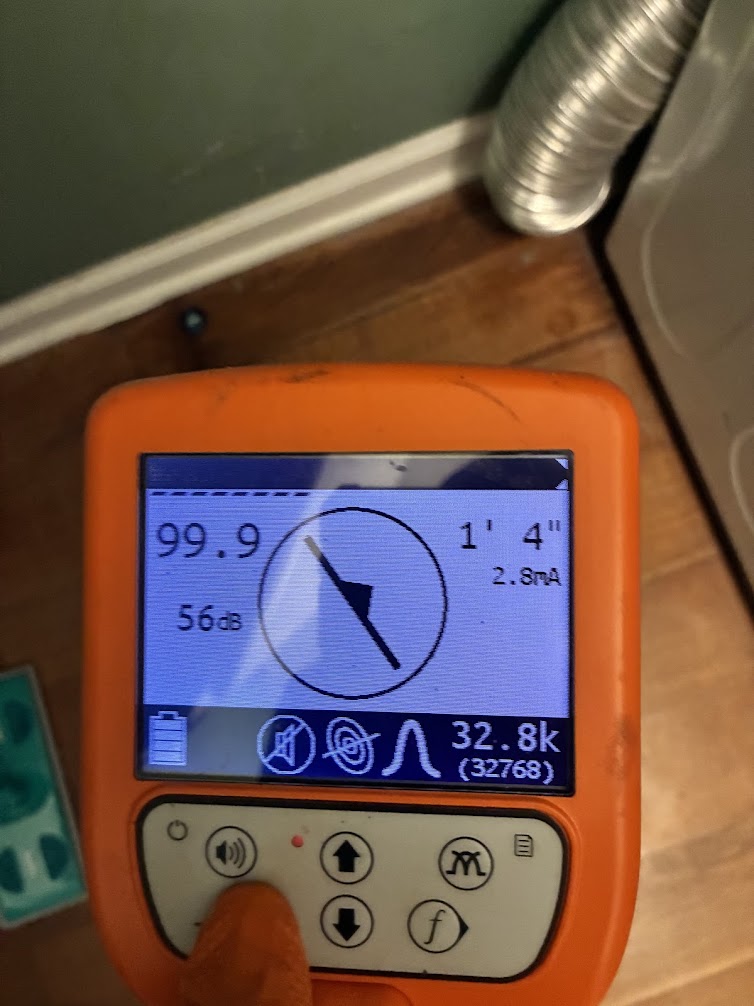
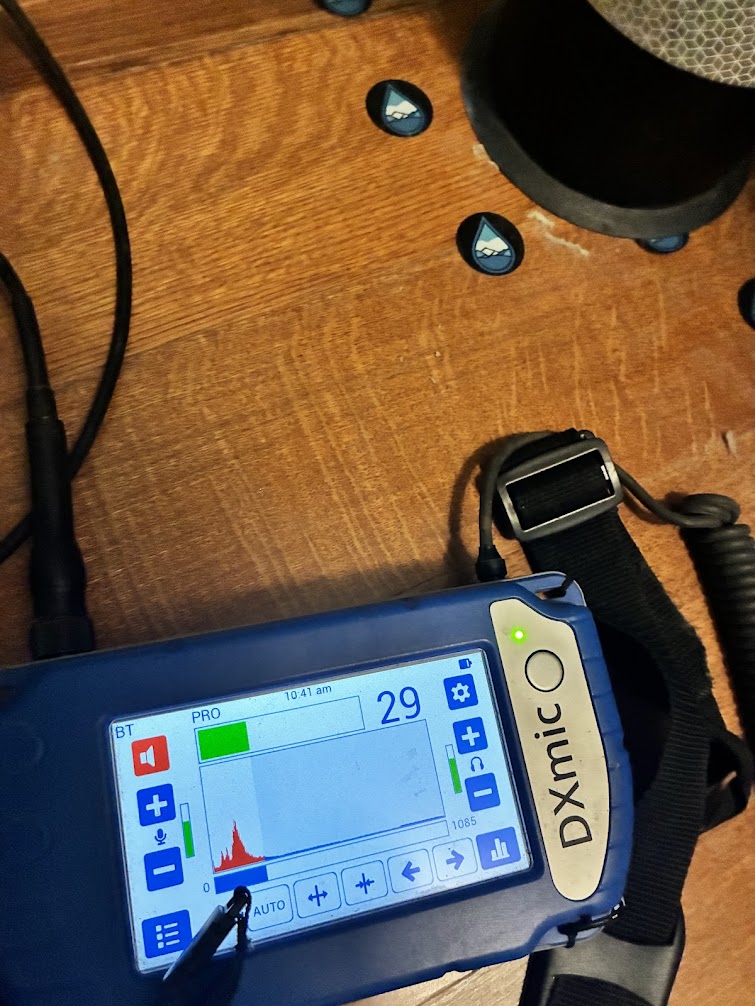
Depending on the symptoms, we may use acoustic leak detection, electronic line locating, thermal imaging support, meter checks, and moisture pattern review. We compare multiple clues because one reading alone can be misleading.
What We Check First
For slab leak detection in Johns Creek, we start with the conditions that can be confirmed without tearing anything apart: meter activity, visible shutoffs, water pressure clues, recent bill changes, the route the pipe is likely to take, and any visible staining, warmth, sound, or wet ground. This first pass helps separate a real pressurized leak from drainage, grading, appliance, or irrigation issues.
Where These Leaks Hide
In Johns Creek, this kind of leak can hide around finished floors, bathrooms, laundry areas, kitchens, hallways, and slab-on-grade living spaces. Water does not always rise straight up from the broken pipe. It may follow gravel, trenches, roots, control joints, pipe sleeves, or low spots before showing itself in a completely different area.
High Water Bill and Irrigation Clues
A high water bill is one of the strongest reasons to schedule leak detection quickly. If the meter continues to move when fixtures are off, the loss may be constant. If the bill only jumps during watering season, irrigation can be involved. We look at the pattern so the next step is based on evidence instead of fear.
Protecting Finished Property
The purpose of leak detection is not to promise that no repair damage will happen. The purpose is to reduce the chance of cutting the wrong floor area or opening concrete before the evidence is clear. A more focused repair area can protect flooring, landscaping, concrete, driveways, and walls from unnecessary damage.
How the Visit Helps Your Plumber
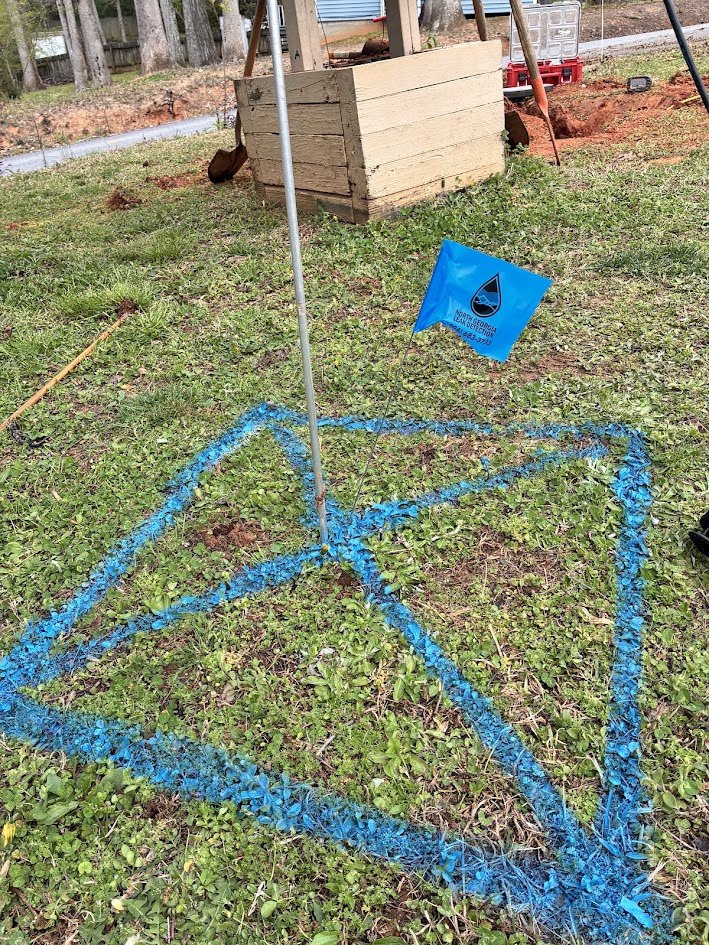
Many repair contractors are excellent at replacing or repairing pipe, but they still need direction before they open the property. A marked leak area, suspected pipe route, and clear description of the evidence can help your plumber quote the work more intelligently and avoid starting in the wrong place.
When to Call Immediately
Call quickly if the meter is spinning, the water heater runs when no one is using water, a floor feels warm, water pressure drops, a wet spot keeps returning, or the bill changes sharply from one cycle to the next. Waiting can allow water to undermine soil, damage flooring, or spread into areas that were not affected at first.
Homeowner-Focused Leak Detection
These pages are written for homeowners, not plumbers, because the homeowner is usually the person trying to decide what to do next. We explain the likely causes in plain language, show real photos of leak detection work, and give direct call options so you can move from uncertainty to a focused repair plan.
If the problem turns out to be irrigation, slab piping, a service line, sewer odor, or another hidden water issue, the goal is still the same: locate the evidence, avoid unnecessary damage, and help you make the next call with confidence.
Recent Work Near Johns Creek
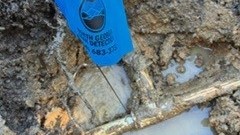
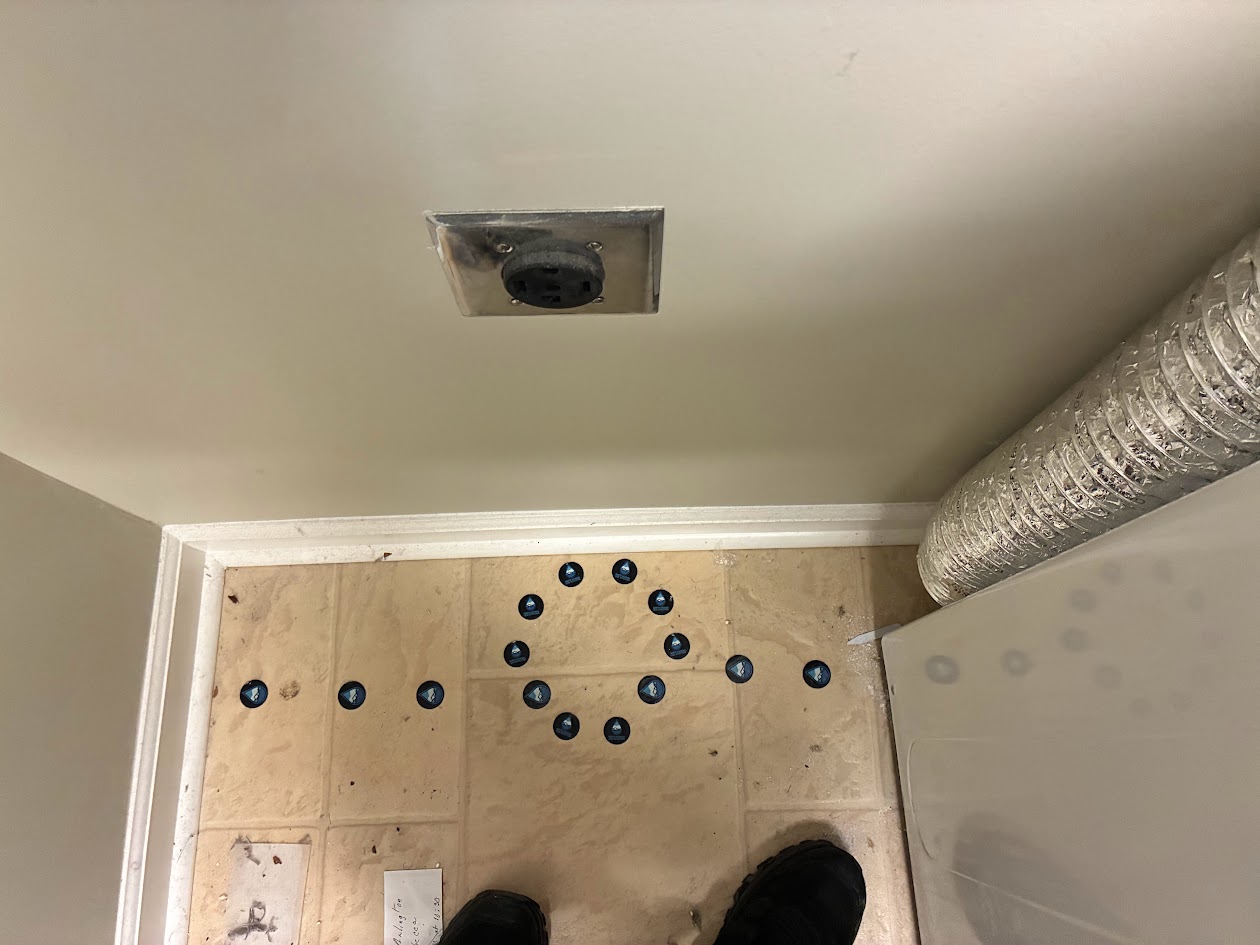
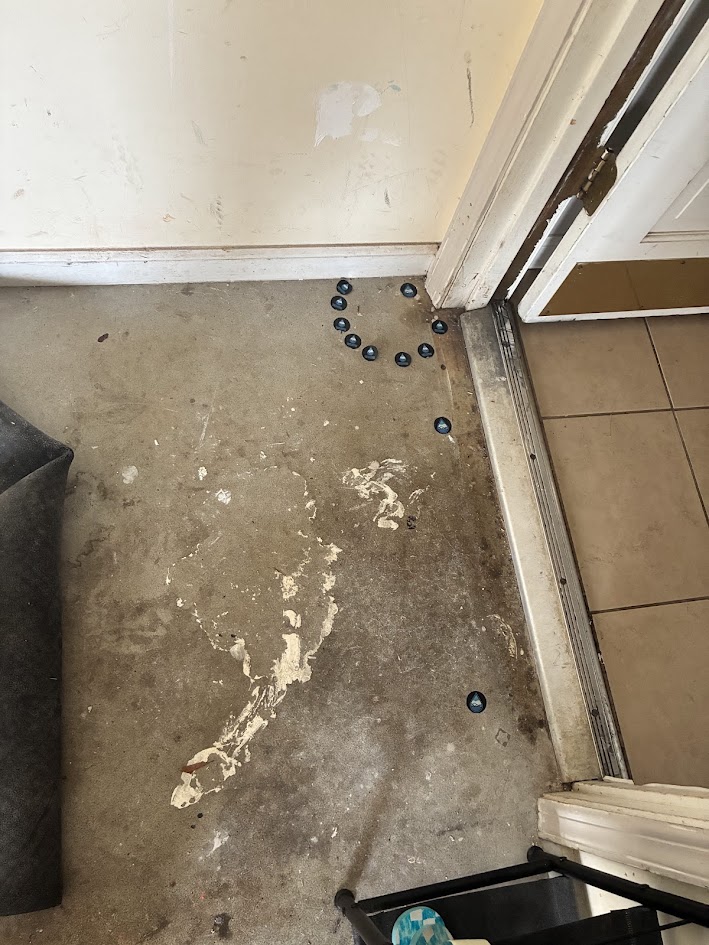
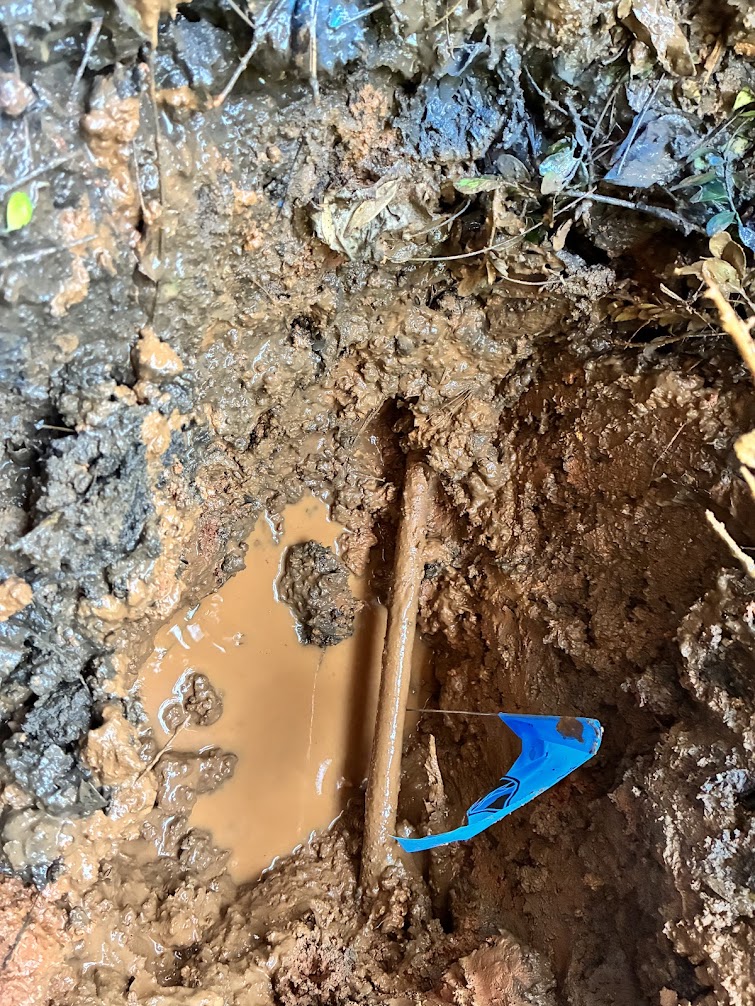
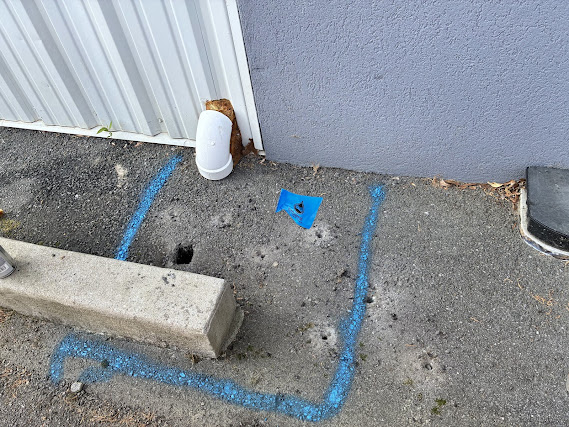
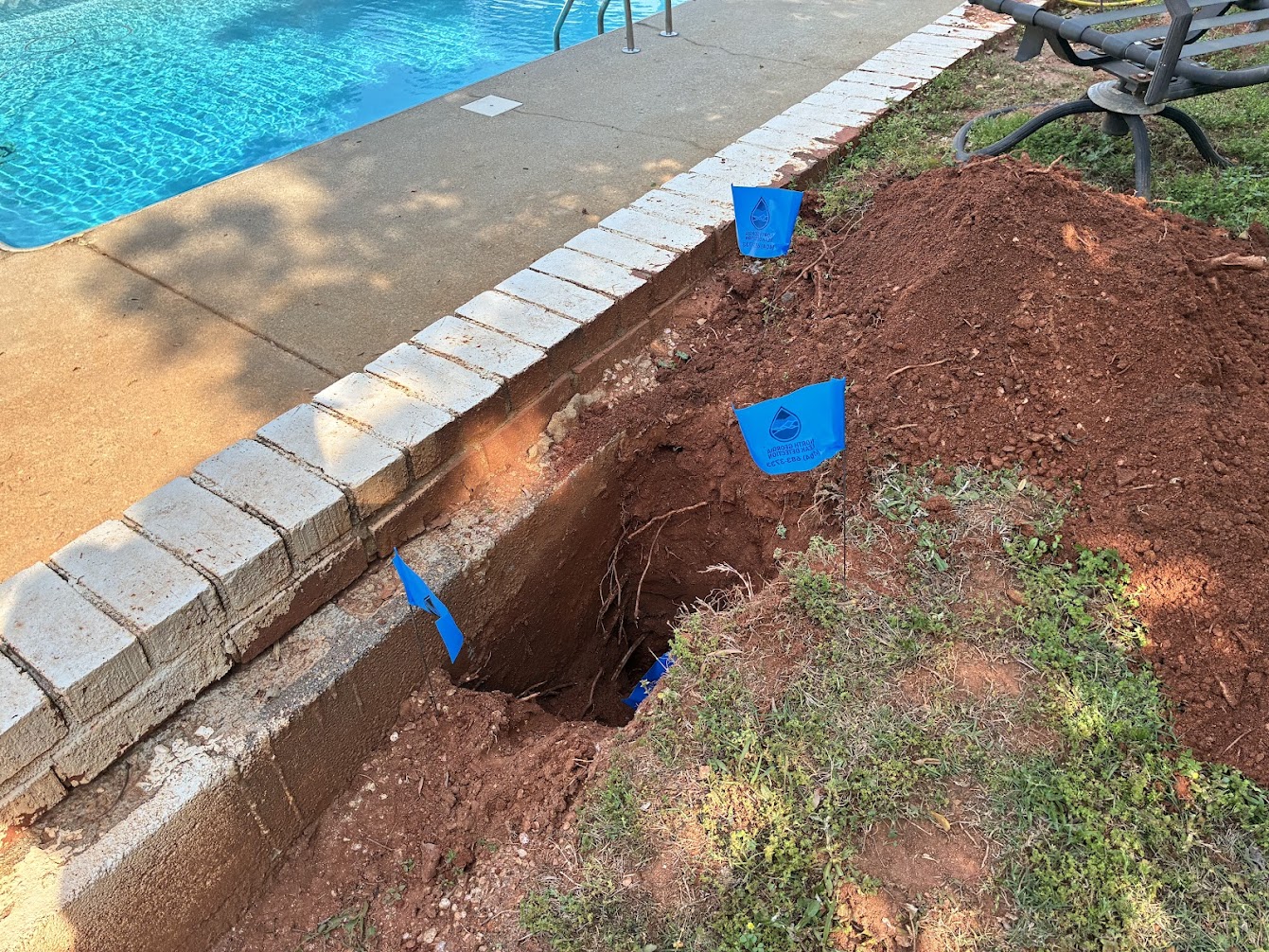
Recent jobs have included marked leak areas, meter-to-home checks, acoustic listening over suspected pipe routes, and thermal imaging where moisture or heat patterns supported the search. Photos on this page show real leak detection work and marked repair areas.