
Homeowner Leak Detection • East Cobb, GA
Water Meter Moving East Cobb GA
(404) 683-3733Accurate leak locating for homeowners before unnecessary digging, slab cutting, or repair work begins.
Confirm whether movement points to hidden water loss.
Use available valves to narrow inside, outside, slab, or irrigation clues.
Help the homeowner decide who should repair and where to begin.
When a homeowner calls about water meter moving, the first goal is to reduce guesswork. We look for evidence that points to the source of the water loss, then help the homeowner and repair contractor understand the likely next step.
That approach fits East Cobb because homes near Johnson Ferry Road, Lower Roswell Road, Paper Mill Road, East Side, Indian Hills, Terrell Mill, and neighborhoods near Sope Creek can have older subdivisions, mature trees, finished basements, crawlspaces, slab additions, irrigation systems, and service lines that may run under driveways or established landscaping. A high water bill East Cobb concern or meter movement issue can be simple, but it should not be treated like a blind repair.
A moving meter is useful because it confirms water is going somewhere, but it does not say where. The leak could be inside, outside, under the slab, or tied to irrigation. Leak detection turns meter movement into a more practical plan by checking shutoffs, routes, sounds, and property conditions.
In East Cobb, we compare that symptom with the property layout, meter location, irrigation setup, slab areas, crawlspace or basement access, and the way water could move through red clay, roots, older pipe routes, sloped yards, retaining walls, and basement drainage conditions that can make leak symptoms confusing. That keeps the visit focused on evidence instead of assumptions.
The clues homeowners report most often are a spinning leak indicator, digital usage that keeps changing, or meter movement when every faucet, toilet, appliance, and hose bib is off. None of those signs prove the exact location by themselves, but they are enough reason to stop guessing.
Meter movement, high water usage, and wet soil should be checked before the problem spreads. Early leak detection can protect flooring, landscaping, concrete, and finished spaces from extra damage.
Plumbers repair pipe. Leak detection helps identify where that repair should start. A moving meter does not automatically tell you where to dig, so leak detection helps turn that warning sign into a more useful repair plan. Many plumbers call us because a marked area and clear explanation can save time.
That matters when a homeowner is worried about replacing a whole line or cutting a slab. Sometimes a larger repair is correct, but it should come after the leak evidence is understood.
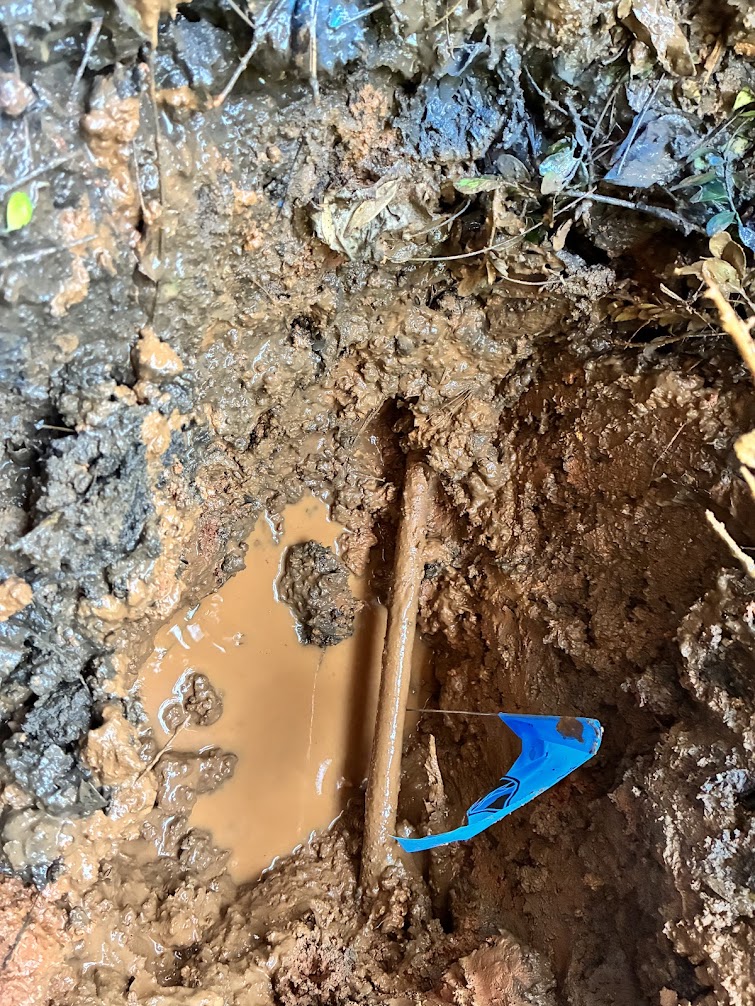
East Cobb calls often involve high bills, basement moisture, slab or crawlspace clues, wet spots near mature trees, and older service lines where the visible water is not always the leak point. The visible clue is only one part of the story. Water can move through red clay, roots, older pipe routes, sloped yards, retaining walls, and basement drainage conditions that can make leak symptoms confusing, which means the wettest spot may be downhill or sideways from the real leak.
That is why we ask about the bill history, meter movement, irrigation schedule, indoor fixtures, slab areas, crawlspaces, and basements. Those answers help separate drainage or appliance issues from underground water leak East Cobb concerns.
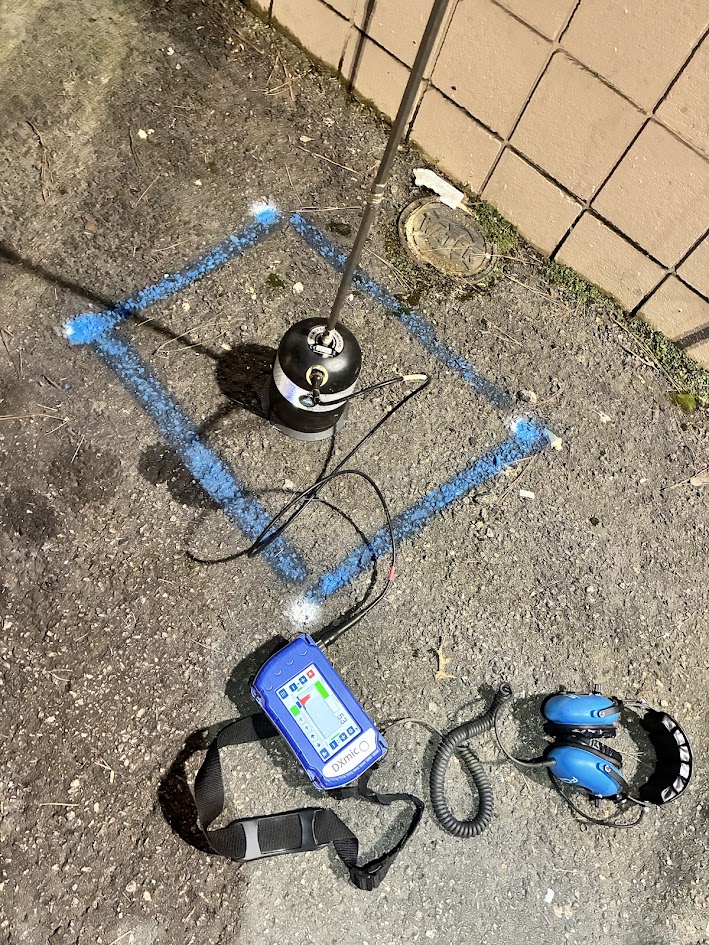
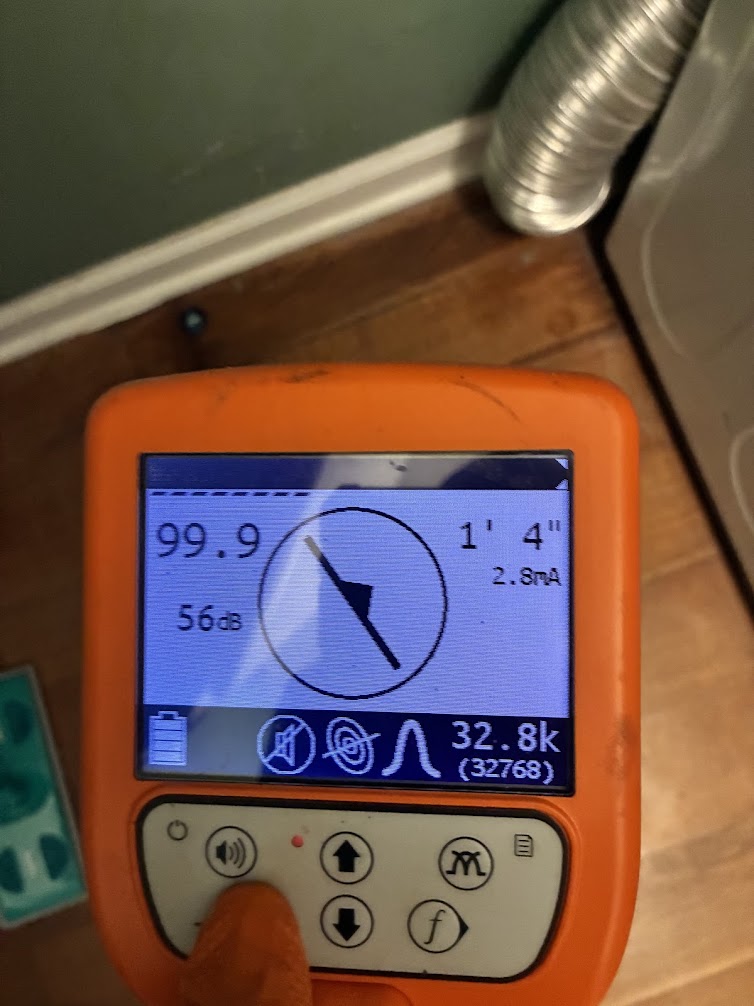
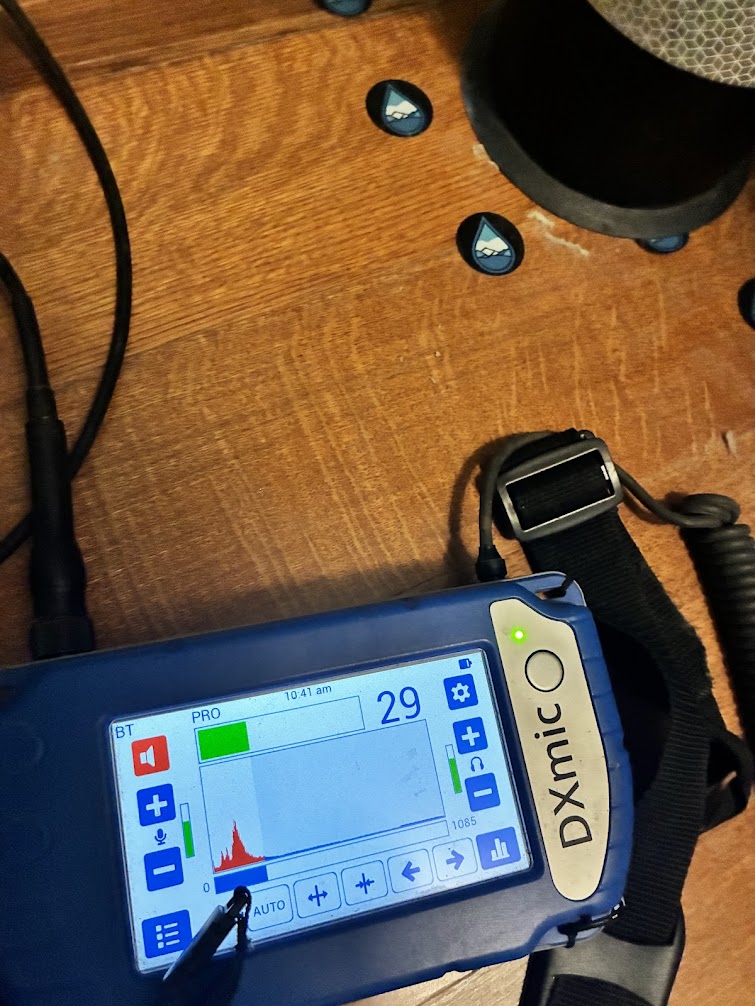
This visit focuses on locating the reason the meter still shows water use after the home should be quiet. Depending on the property, we may use meter checks, shutoff testing, pressure clues, acoustic listening, service line tracing, and irrigation isolation when possible. The method changes with the symptoms because no single tool gives the whole answer on every job.
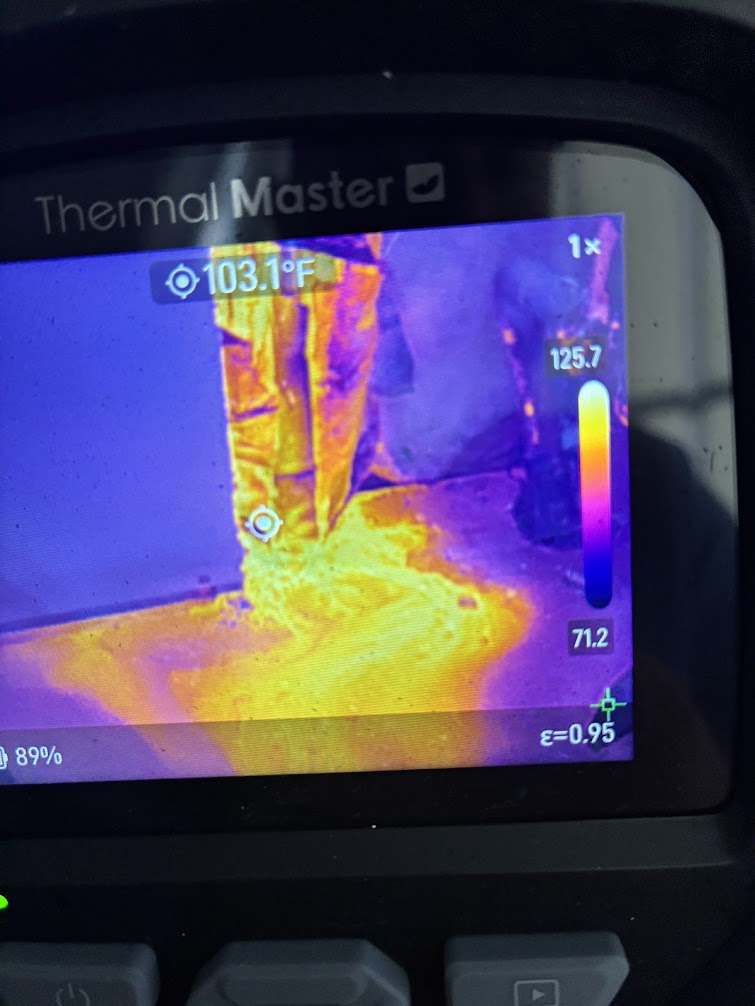
We compare the meter, route, pressure, sound, temperature, moisture, and visible conditions. That helps narrow the likely area without making the repair sound larger than the evidence supports.
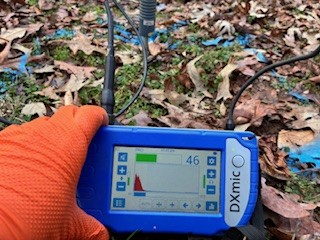
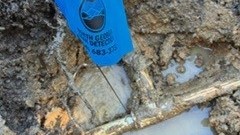
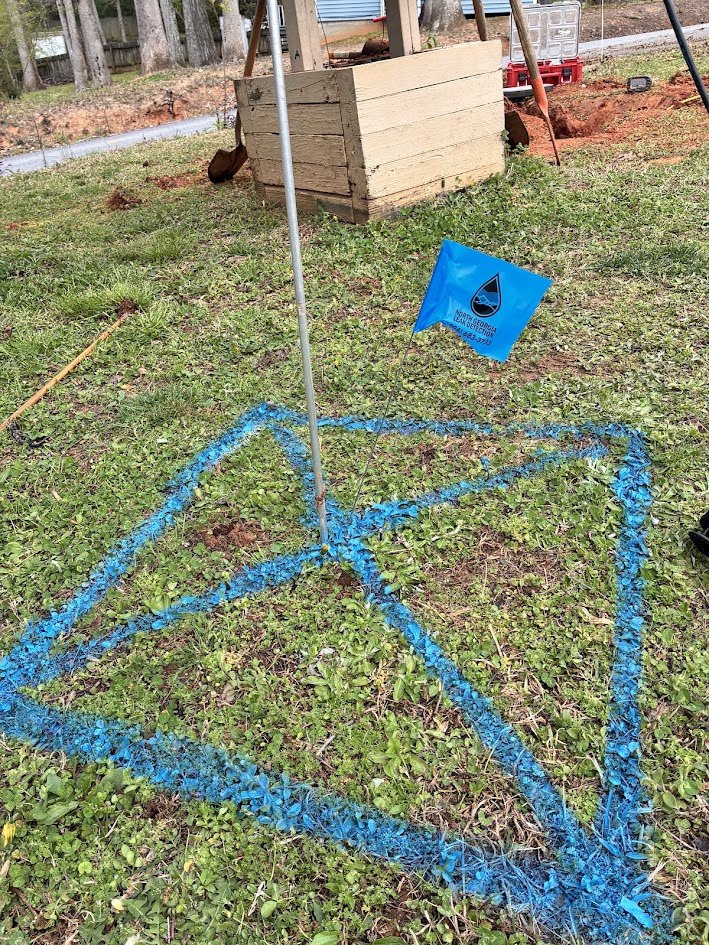
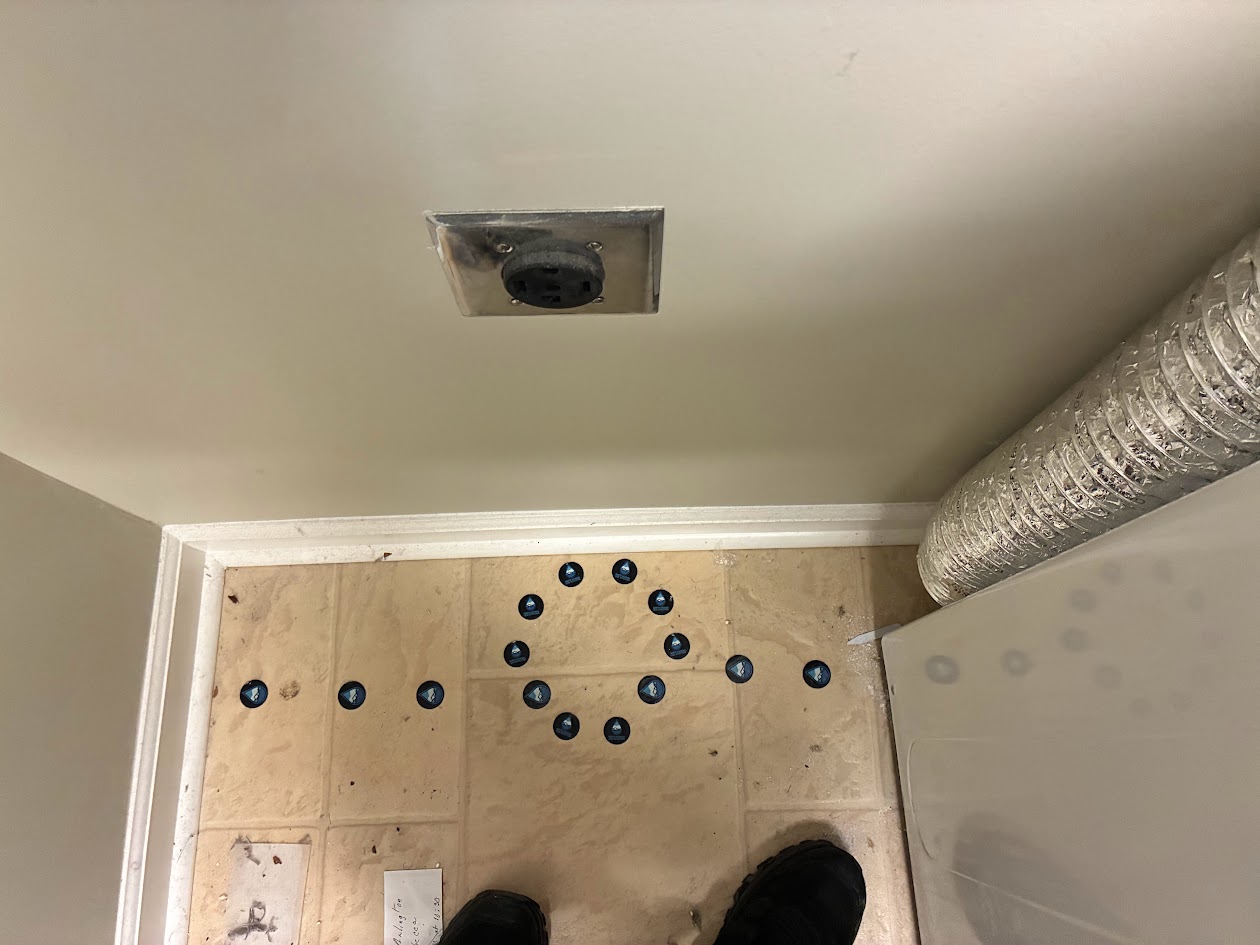
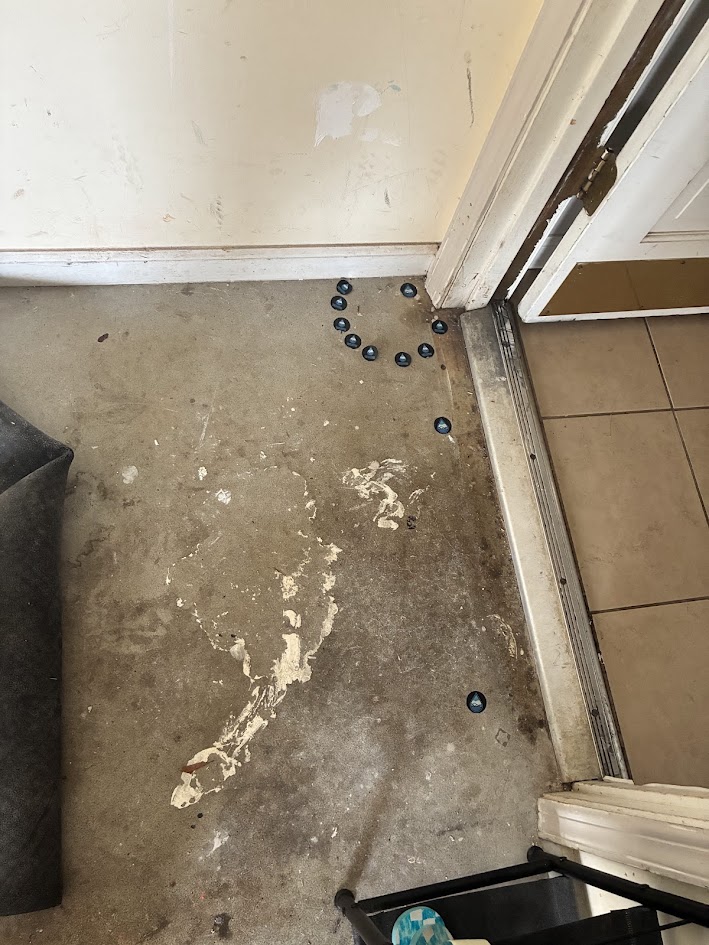
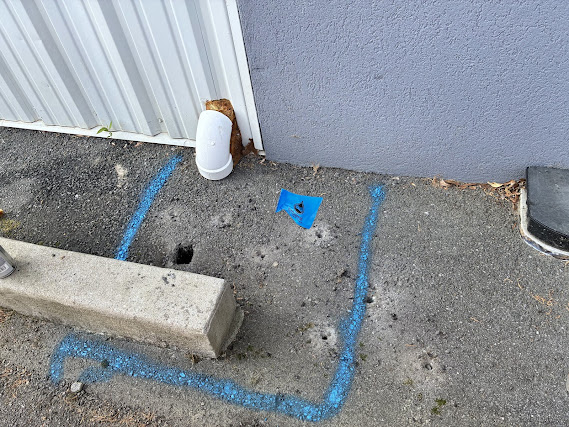
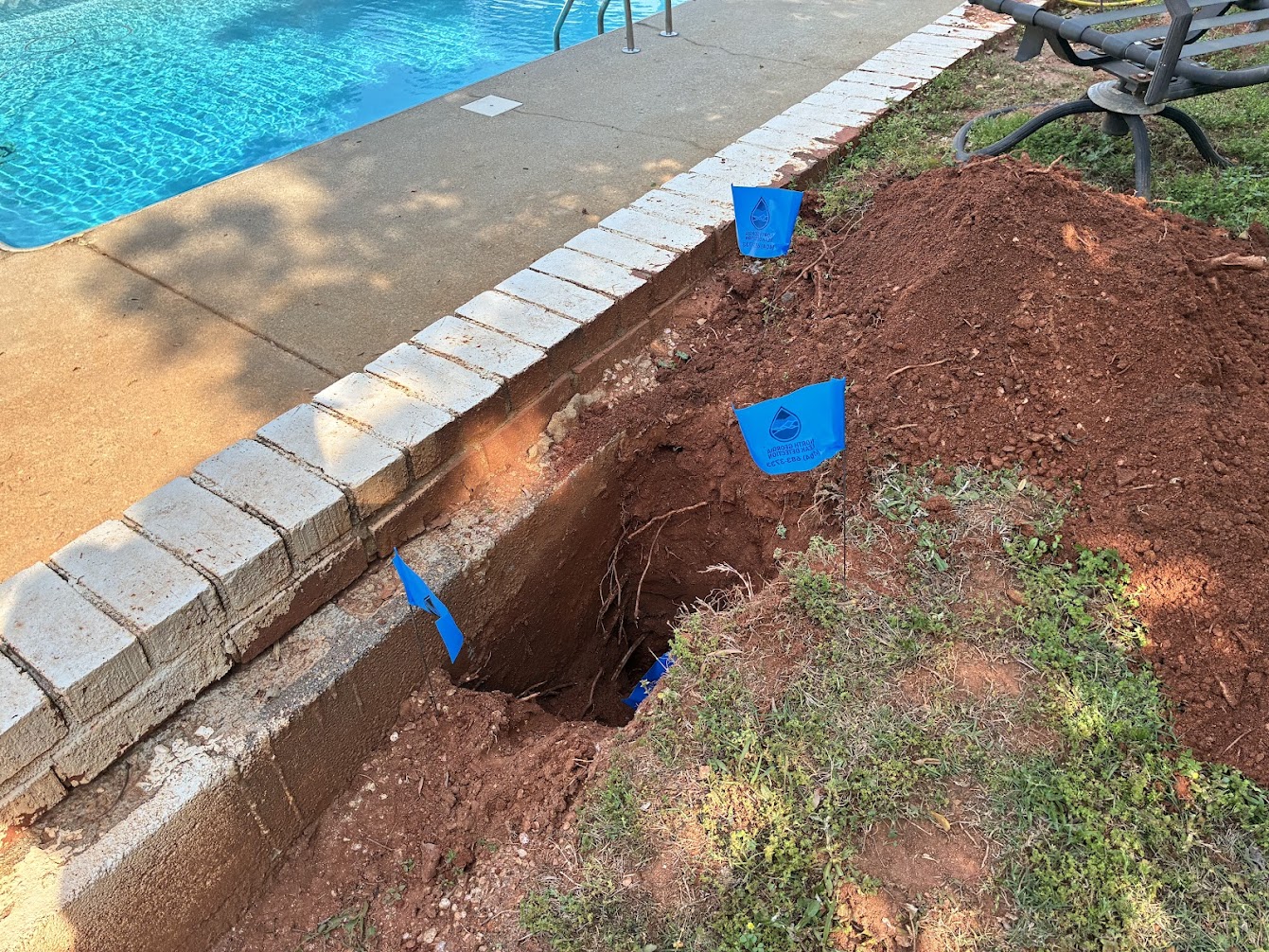
Recent calls in and near East Cobb have included problems where the first clue was not the final leak point. Recent East Cobb work has included checking wet basements against meter movement, tracing water lines through mature yards, using thermal support near finished spaces, and helping homeowners avoid needless tear-out. Photos on the page show water meter readings, meter-to-home checks, marked leak areas, and equipment used to narrow down hidden water loss.
You can also review <a href="leak-detection-east-cobb-ga.html">Leak Detection East Cobb</a>, <a href="high-water-bill-east-cobb-ga.html">High Water Bill</a>, <a href="irrigation-leak-detection-east-cobb-ga.html">Irrigation Leak Detection</a>, <a href="underground-water-leak-east-cobb-ga.html">Underground Water Leak Detection</a>, <a href="water-line-leak-detection-east-cobb-ga.html">Water Line Leak Detection</a>. Nearby service areas include <a href="roswell-ga-leak-detection.html">Roswell</a>, <a href="marietta-ga-leak-detection.html">Marietta</a>, <a href="alpharetta-ga-leak-detection.html">Alpharetta</a>, <a href="leak-detection-johns-creek-ga.html">Johns Creek</a>. The right page depends on the symptom: meter movement, high bill, slab moisture, wet yard, or irrigation loss.
We specialize in finding leaks and explaining the evidence, not pushing unnecessary repair work.
We narrow the likely area before a yard, driveway, slab, crawlspace, or finished room is opened.
Many plumbers use us because a marked area helps them repair the right section.
Scott was fast to respond and very professional! He found the leak under the slab in the Smyrna townhouse within the first 30 mins. He also referred an excellent plumber to do the repair. I would recommend him without a second thought.
Scott was professionally outstanding and extremely kind. He even called back later to make sure the plumber found the leak in the area that he had marked. Gratefully, Nancy & Roland.
Scott is the best! I had a leak in Dawsonville that another leak detection company was not able to find. I called Scott and he found the leak quickly. I highly recommend North Georgia Leak Detection and would hire Scott again in the future.
Yes. North Georgia Leak Detection helps homeowners in East Cobb locate hidden water loss before repair work begins. We focus on finding the leak evidence and explaining it clearly.
Common signs include a spinning leak indicator, digital usage that keeps changing, or meter movement when every faucet, toilet, appliance, and hose bib is off. If the symptom keeps returning or the meter moves when fixtures are off, leak detection is a smart next step.
That is the goal. We use leak detection equipment and site clues to narrow the likely area so the homeowner and repair contractor can avoid as much unnecessary damage as possible.
If the leak location is unknown, yes. A plumber repairs the pipe, while leak detection helps identify where the repair should begin. Many plumbers prefer having the area marked first.
Yes. Red clay, roots, older pipe routes, sloped yards, retaining walls, and basement drainage conditions that can make leak symptoms confusing can let water move away from the actual break. The wettest spot is not always the leak point.
Yes. A hidden leak can waste water continuously, especially if the meter moves when no fixtures are running. We help determine whether the loss appears to be inside, outside, under a slab, or tied to irrigation.
Yes. Irrigation leaks can look like service line leaks or cause seasonal bill spikes. We review irrigation clues when they may be part of the water loss.
We serve homeowners around Johnson Ferry Road, Lower Roswell Road, Paper Mill Road, East Side, Indian Hills, Terrell Mill and nearby North Georgia communities. If you are close to a city line, call and describe where the property is located.
We specialize in leak detection, not selling repair jobs. Once the likely area is marked, the homeowner or chosen repair contractor can handle the repair.
Make note of the recent bill change, whether the meter moves with fixtures off, where you see wet spots, and whether irrigation has been running. That information helps the visit start faster.
Call now for focused leak detection before unnecessary repair work begins.
(404) 683-3733