
Homeowner Leak Detection • Milton, GA
Irrigation Leak Detection Milton GA
(404) 683-3733Accurate leak locating for homeowners before unnecessary digging, slab cutting, or repair work begins.
Separate irrigation leaks from domestic water line leaks.
Focus the search around valves, laterals, and wet beds.
Find water loss that may only happen during scheduled watering.
Homeowners searching for Irrigation Leak Detection Milton GA usually want a straight answer before anyone opens the yard, floor, driveway, or wall. A irrigation leak can waste water quietly and still leave only a few clues. North Georgia Leak Detection focuses on locating the evidence, marking the likely area, and explaining what it means in plain language.
In Milton, this work has to account for local property layouts around Crabapple, Birmingham Crossroads, Arnold Mill Road, Freemanville Road, Providence Road, Bethany Bend, and larger properties near private drives. The homes and lots often include larger homes, wooded lots, long driveways, private roads, higher-end landscaping, irrigation systems, and longer water service lines than many smaller city lots, so a hidden water leak Milton problem may not show up directly above the failed pipe.
Calling leak detection first does not replace a plumber. It gives the plumber better information. A focused irrigation leak location helps the homeowner decide whether the irrigation contractor should repair a valve, lateral line, fitting, or outdoor supply section. The homeowner can then discuss repair options from a more informed position.
This is especially important when the leak might be under concrete, a driveway, finished flooring, or landscaping. Opening the wrong area is expensive and frustrating.
Local conditions matter. Red clay, tree roots, long service trenches, gravel shoulders, and wooded drainage paths that can move water away from the break can hide the path of escaping water. A spot that looks like irrigation overspray or ordinary drainage may still be tied to a pressurized line.
Milton homeowners often call after a high bill, a meter that keeps moving, a soggy area near a driveway, or a leak suspected on a long line between the meter and the house. We use that local context while checking the property, so the visit is not based on one mark in the grass or one sound through the floor.
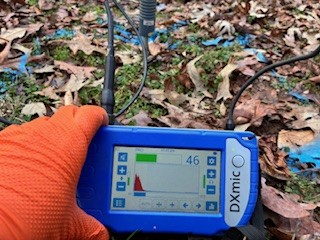
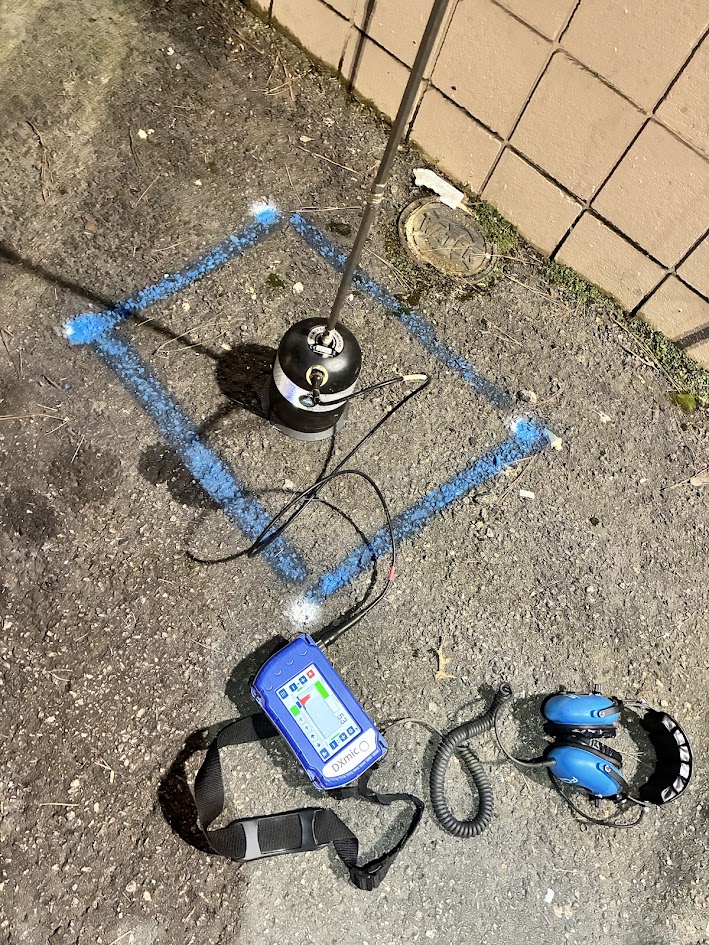
We are looking at sprinkler laterals, valve boxes, drip irrigation, backflow areas, and outdoor lines that can mimic a domestic water leak, not guessing from the first wet spot. The visit may include meter checks, zone behavior review, acoustic listening where conditions allow, surface clues, and separation of irrigation from the home service line, plus a careful review of how the home and yard are laid out.
Some leaks sound clear. Others are softened by soil, flooring, concrete, or distance from the meter. Comparing clues is what makes the location more useful for the homeowner.
Irrigation leaks do not always act like house plumbing leaks. Some only lose water when one zone runs. Others leak from a valve box, cracked lateral, drip line, or buried fitting. Checking the watering schedule and meter behavior helps keep an outdoor irrigation problem from being mistaken for an indoor plumbing leak.
In Milton, we compare that symptom with the property layout, meter location, irrigation setup, slab areas, crawlspace or basement access, and the way water could move through red clay, tree roots, long service trenches, gravel shoulders, and wooded drainage paths that can move water away from the break. That keeps the visit focused on evidence instead of assumptions.
Do not ignore wet planting beds, a zone that will not hold pressure, water pooling near a valve box, or a bill spike during watering season. Those symptoms can point to a service line, slab line, irrigation zone, crawlspace issue, or another hidden water path.
We help sort those possibilities without turning the visit into a repair sales pitch. The homeowner gets a clearer explanation of what the evidence supports.
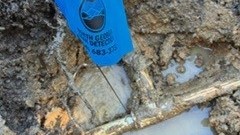
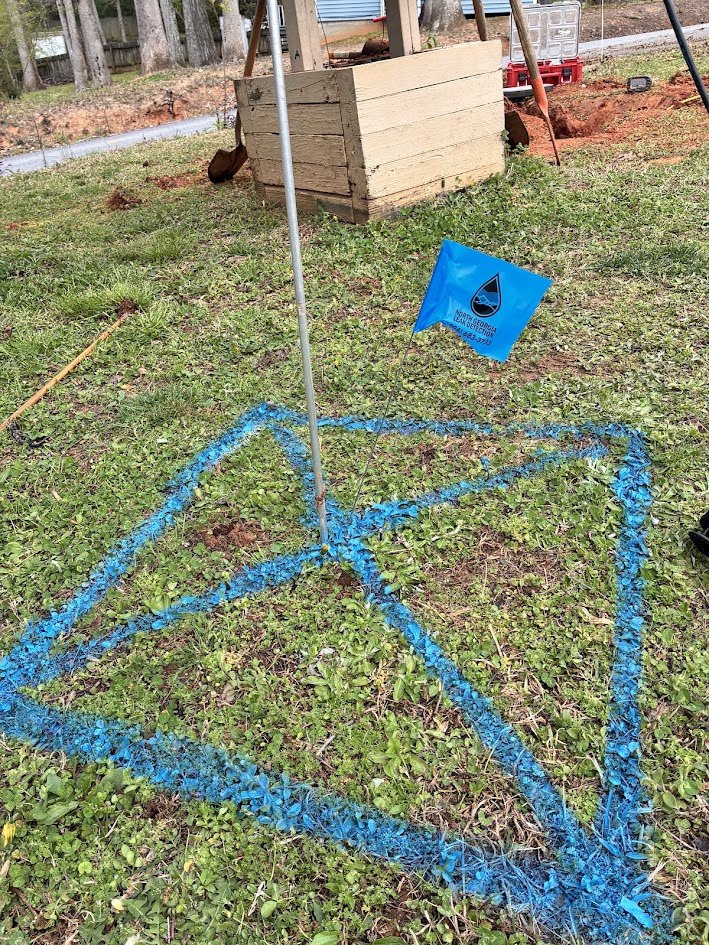
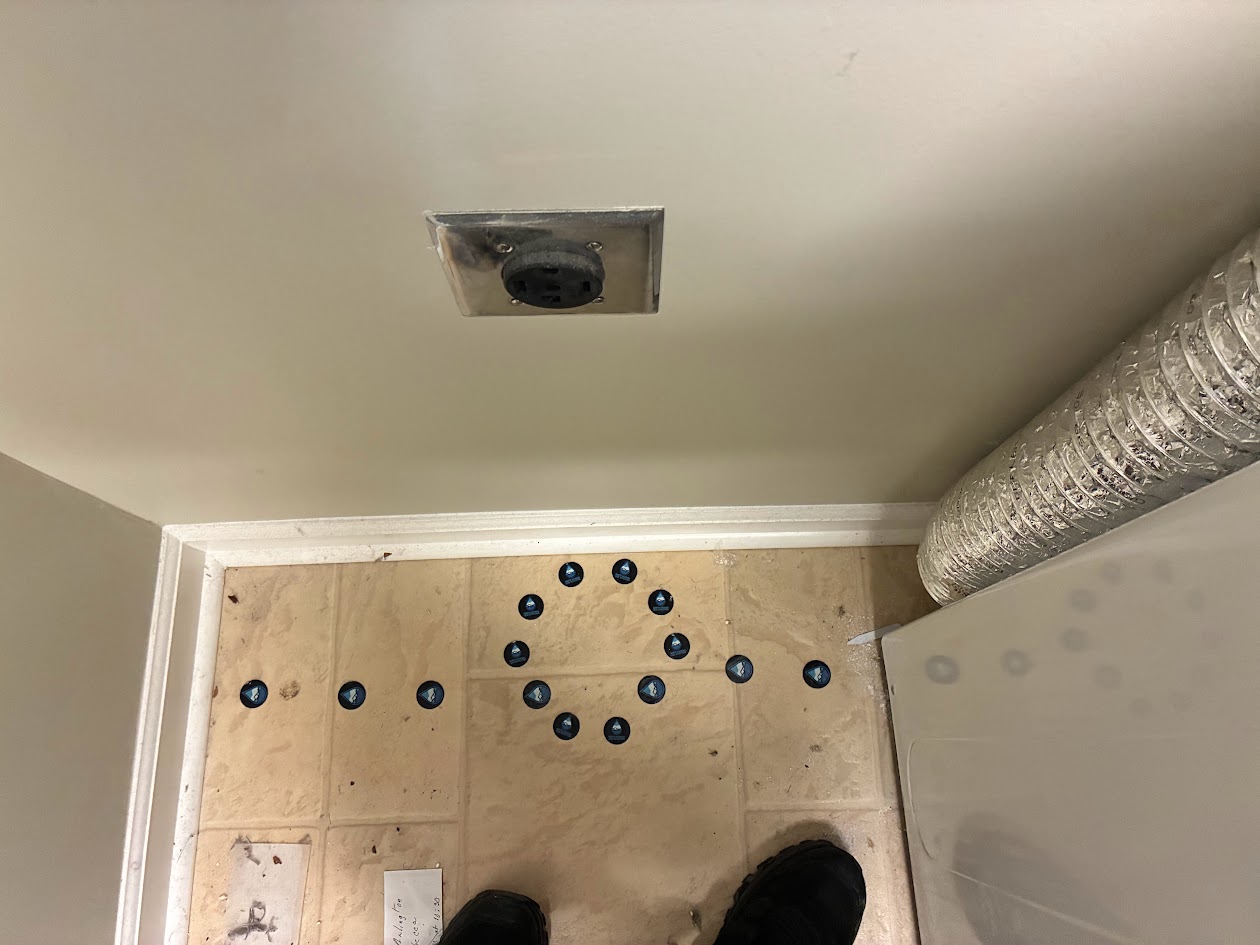
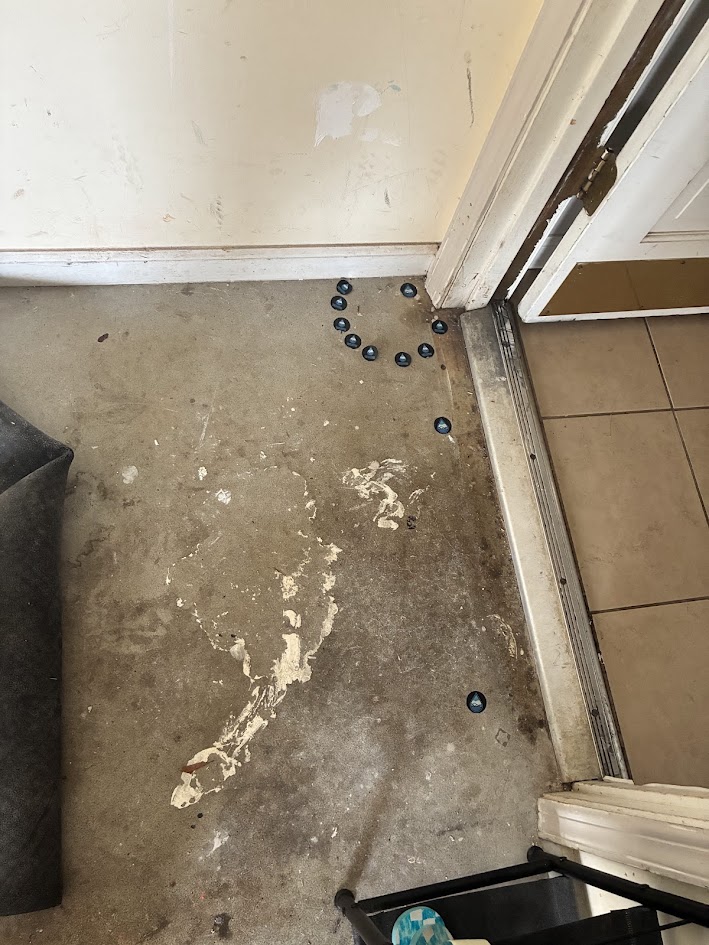
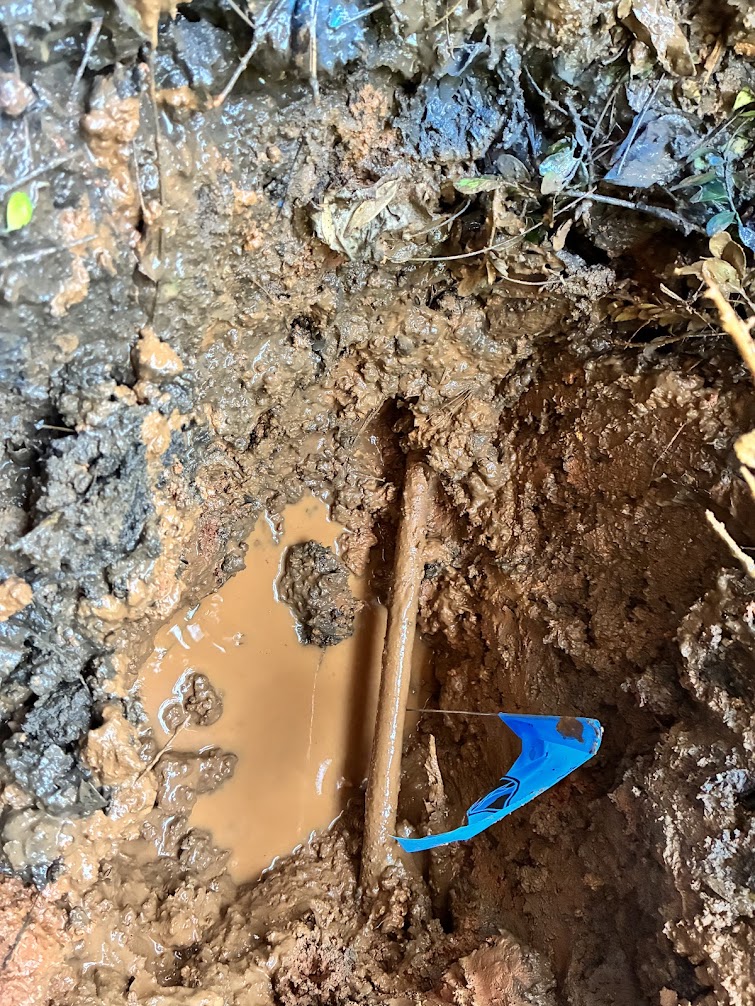
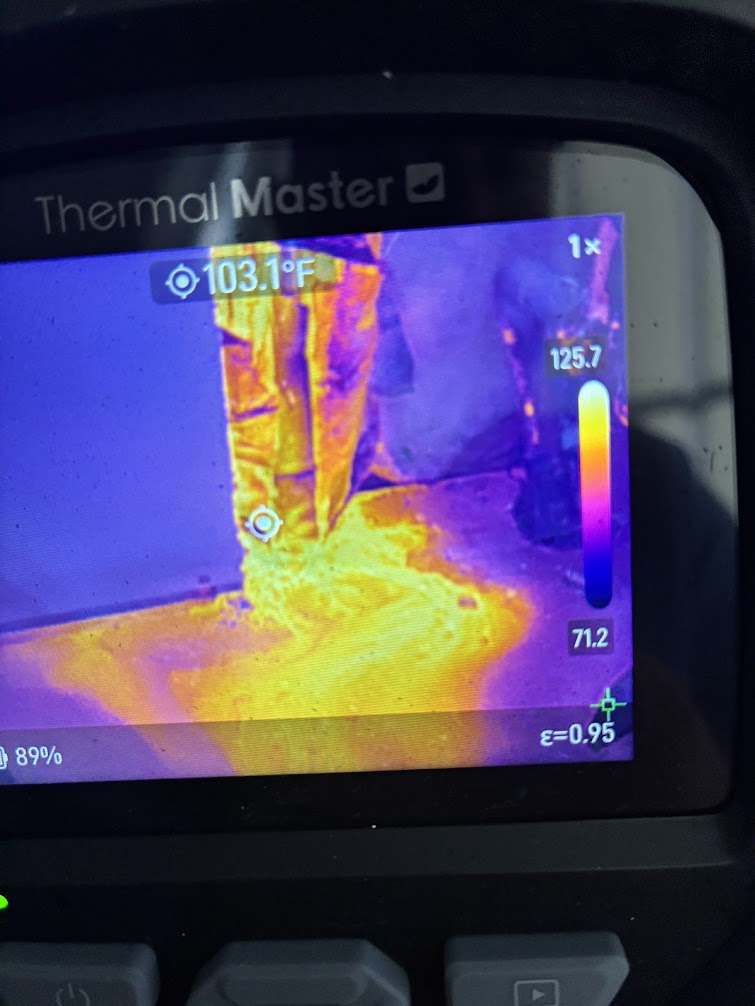
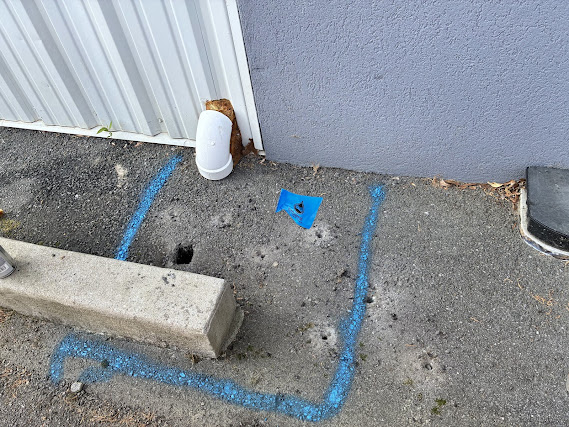
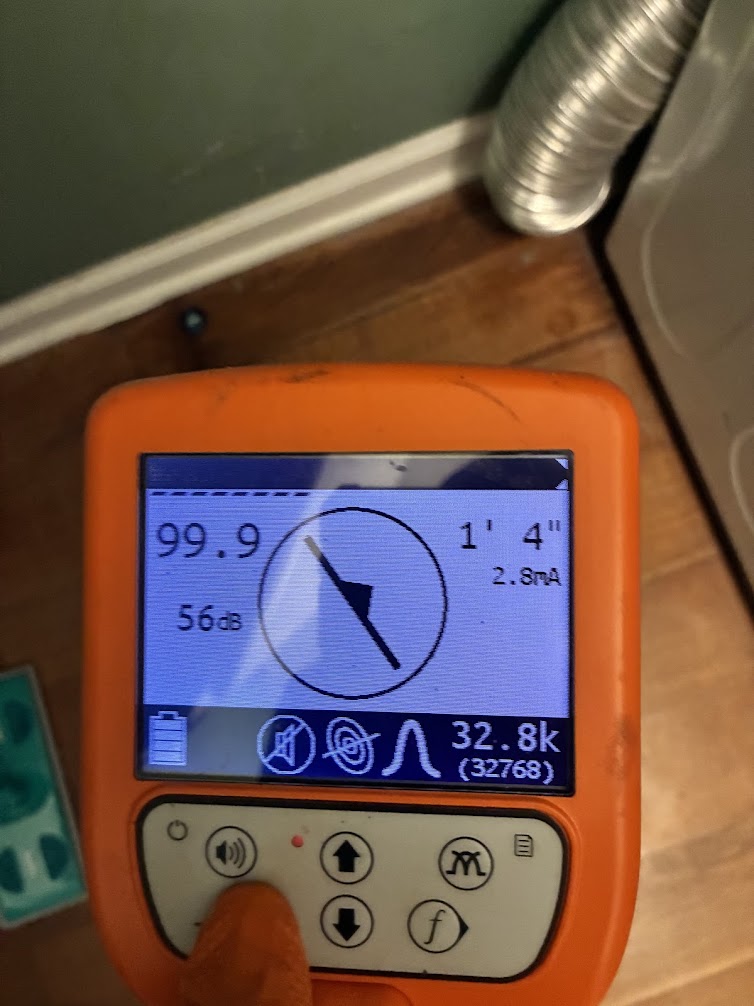
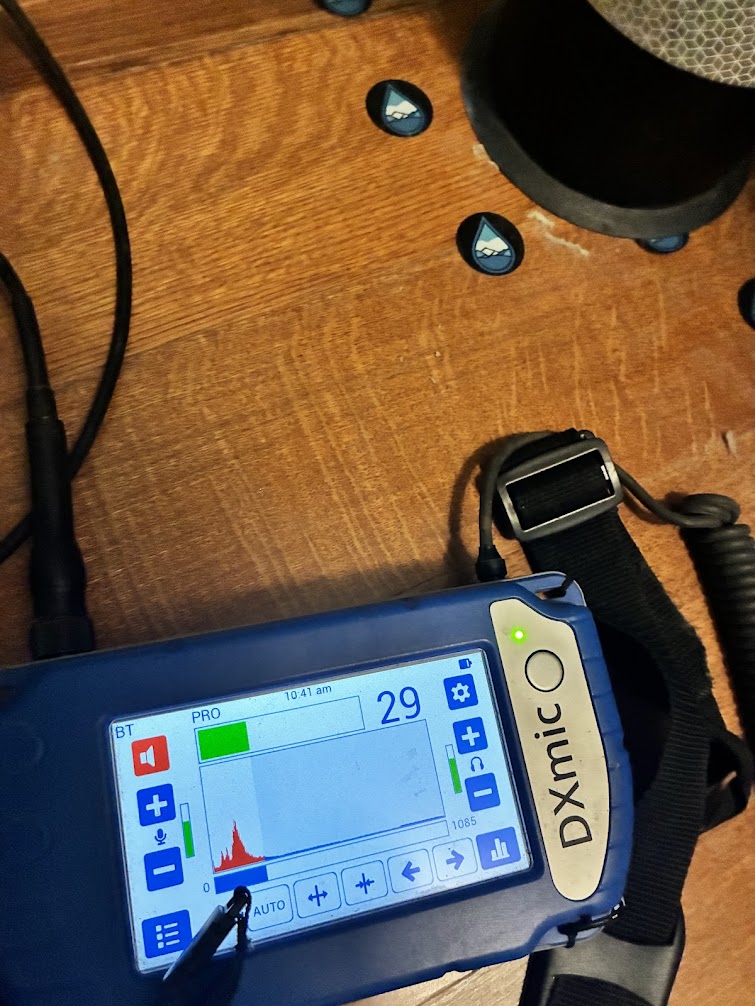
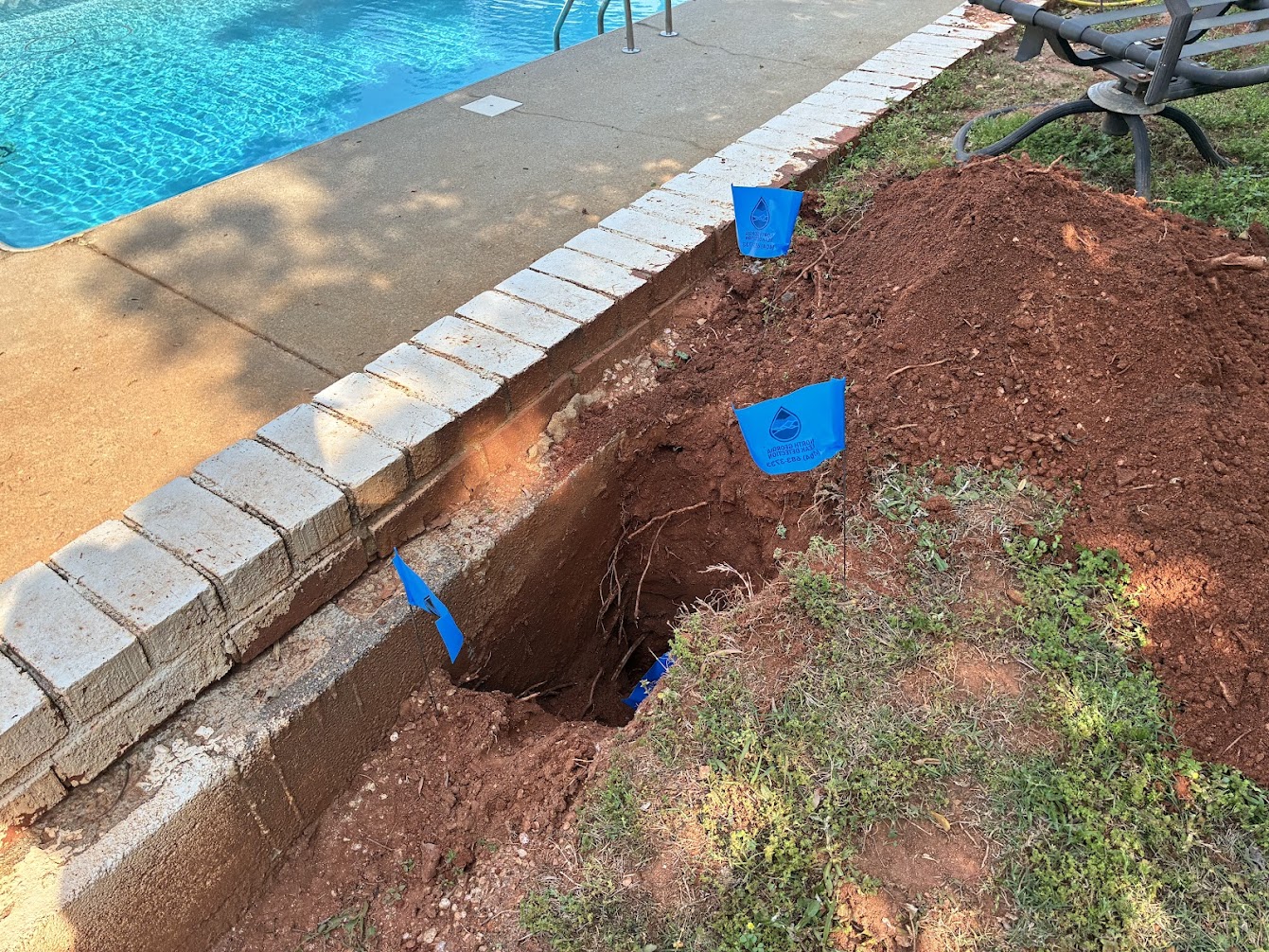
Recent Milton work has included locating leak evidence along long service lines, checking irrigation zones around landscaped beds, and marking focused repair areas so yards and driveways were not opened blindly. The job photos on this site show wet yards, marked sprinkler areas, meter checks, and outdoor leak detection work around landscaped beds. They are included so homeowners can see real field work instead of generic stock images.
Helpful related pages include <a href="leak-detection-milton-ga.html">Leak Detection Milton</a>, <a href="high-water-bill-milton-ga.html">High Water Bill</a>, <a href="slab-leak-detection-milton-ga.html">Slab Leak Detection</a>, <a href="underground-water-leak-milton-ga.html">Underground Water Leak Detection</a>, <a href="water-line-leak-detection-milton-ga.html">Water Line Leak Detection</a>, <a href="water-meter-moving-milton-ga.html">Water Meter Moving</a>. Nearby city pages include <a href="alpharetta-ga-leak-detection.html">Alpharetta</a>, <a href="roswell-ga-leak-detection.html">Roswell</a>, <a href="leak-detection-johns-creek-ga.html">Johns Creek</a>, <a href="water-line-leak-detection-cumming-ga.html">Cumming</a>. These links are useful if your property is near a city line or if the symptom fits another page more closely.
We specialize in finding leaks and explaining the evidence, not pushing unnecessary repair work.
We narrow the likely area before a yard, driveway, slab, crawlspace, or finished room is opened.
Many plumbers use us because a marked area helps them repair the right section.
Scott was fast to respond and very professional! He found the leak under the slab in the Smyrna townhouse within the first 30 mins. He also referred an excellent plumber to do the repair. I would recommend him without a second thought.
Scott was professionally outstanding and extremely kind. He even called back later to make sure the plumber found the leak in the area that he had marked. Gratefully, Nancy & Roland.
Scott is the best! I had a leak in Dawsonville that another leak detection company was not able to find. I called Scott and he found the leak quickly. I highly recommend North Georgia Leak Detection and would hire Scott again in the future.
Yes. North Georgia Leak Detection helps homeowners in Milton locate hidden water loss before repair work begins. We focus on finding the leak evidence and explaining it clearly.
Common signs include wet planting beds, a zone that will not hold pressure, water pooling near a valve box, or a bill spike during watering season. If the symptom keeps returning or the meter moves when fixtures are off, leak detection is a smart next step.
That is the goal. We use leak detection equipment and site clues to narrow the likely area so the homeowner and repair contractor can avoid as much unnecessary damage as possible.
If the leak location is unknown, yes. A plumber repairs the pipe, while leak detection helps identify where the repair should begin. Many plumbers prefer having the area marked first.
Yes. Red clay, tree roots, long service trenches, gravel shoulders, and wooded drainage paths that can move water away from the break can let water move away from the actual break. The wettest spot is not always the leak point.
Yes. A hidden leak can waste water continuously, especially if the meter moves when no fixtures are running. We help determine whether the loss appears to be inside, outside, under a slab, or tied to irrigation.
Yes. Irrigation leaks can look like service line leaks or cause seasonal bill spikes. We review irrigation clues when they may be part of the water loss.
We serve homeowners around Crabapple, Birmingham Crossroads, Arnold Mill Road, Freemanville Road, Providence Road, Bethany Bend and nearby North Georgia communities. If you are close to a city line, call and describe where the property is located.
We specialize in leak detection, not selling repair jobs. Once the likely area is marked, the homeowner or chosen repair contractor can handle the repair.
Make note of the recent bill change, whether the meter moves with fixtures off, where you see wet spots, and whether irrigation has been running. That information helps the visit start faster.
Call now for focused leak detection before unnecessary repair work begins.
(404) 683-3733